Description
(Hibiscus acetosella)
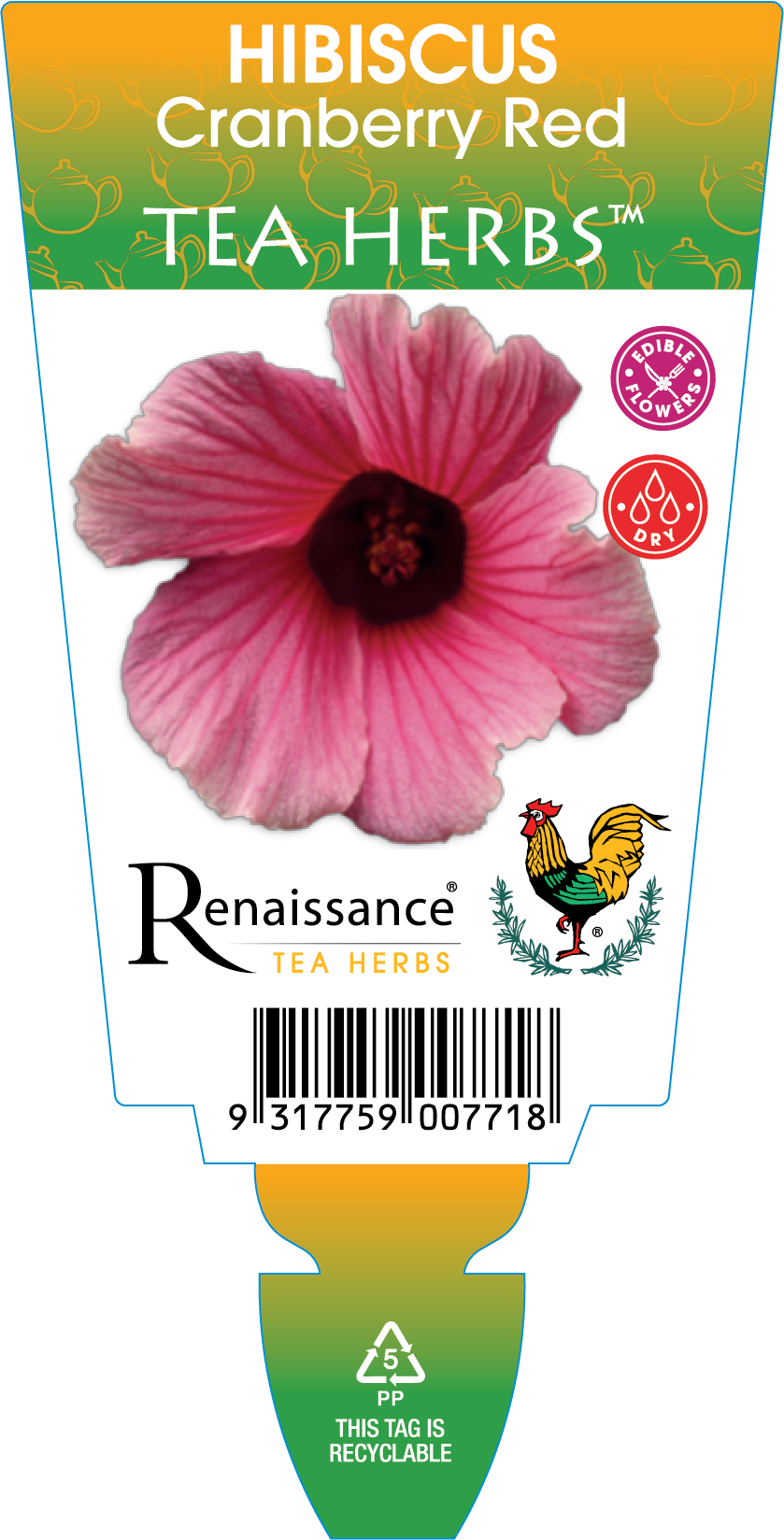
A quick-growing shrub with stunning deep red flowers. The foliage is cranberry red and deeply cut like a Japanese maple. Easy to grow/arge shrub that tolerates dry temperate to wet tropics. Flowers after the autumn equinox.
Flavours/Food Partners:
Foliage and flowers are edible and used in a myriad of ways. The flowers are used to make jams, teas and cordials whilst the leaves are used in salads and stir-fries. The plant originates from Central Africa but is now grown in SE Asia and northern South America.
Health/Cooking/Medicinal:
The young leaves are known for their slightly sour flavour and can be eaten either raw or cooked. Cranberry hibiscus leaves retain their colour after being cooked. Like the related Rosella flowers are used to make teas or other drinks where they contribute a deep red colour and mild medicinal benefits rather than taste.
Landscaping/Planting:
Cranberry Hibiscus is a large open shrub to around 1.5m and prefers some open space in a sunny part of the garden, but it will tolerate some shade. Like most Hibiscus, treat as an annual in frost-prone climates.
Cultivation/Fertiliser:
Plant in late spring and give a good feed at planting. Water regularly with dilute mix of Power Feed and Seasol. Start harvesting at about two months old or during first spring.
Herb Attributes
| Position | PART TO FULL SUN, LIGHT FROST |
|---|---|
| Height | 1.5M |
| Width | 1.2M |